
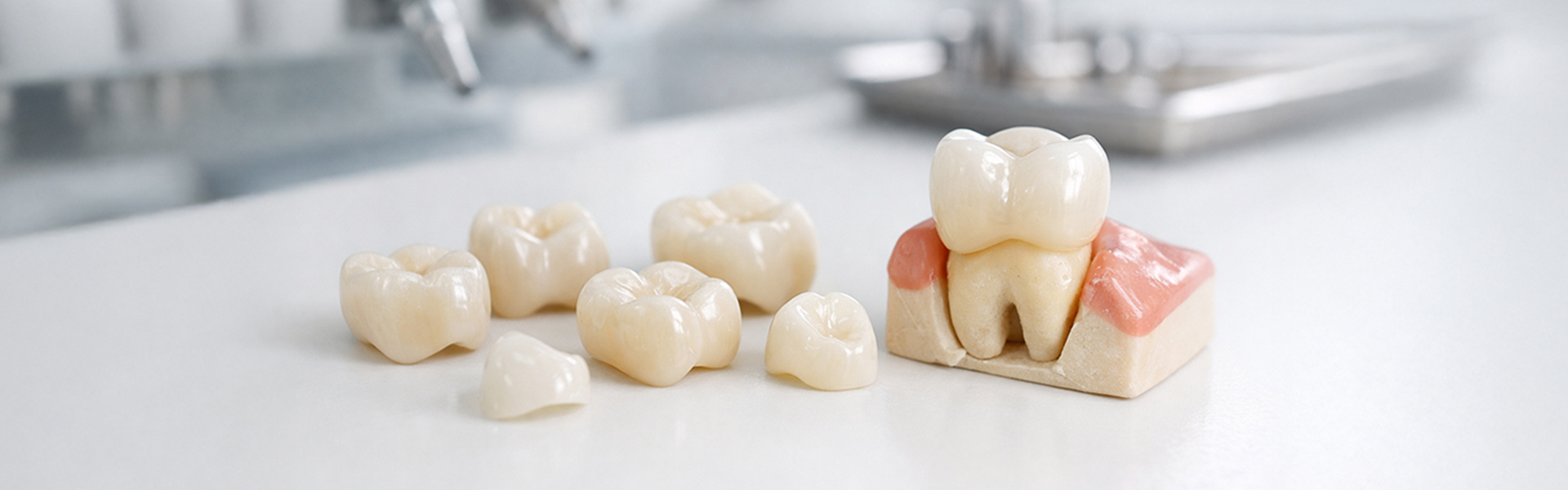
How Do You Know If a Dental Crown Needs Replacement?
A dental crown restores strength, function, and appearance to a damaged tooth. While crowns are highly durable, they are not meant to last forever. Over time, everyday chewing, natural aging, and changes in oral health can cause a crown to lose its fit, strength, or effectiveness. If you have dental crowns in Rockwall, TX, you should understand the signs of failure. It can help you avoid discomfort and protect your natural tooth before a small concern becomes a larger problem.
How Long Do Dental Crowns Typically Last?
Most restorations can last between 10 and 15 years, though many remain functional even longer with proper care. How long a crown lasts often depends on a combination of daily habits and oral health factors, including:
- Oral hygiene habits
- Material used for fabrication
- Teeth grinding or clenching
- Dietary choices
- Routine dental visits
According to research published in the Journal of Dentistry, many crowns continue to function successfully for more than a decade when properly maintained. Regular examinations help identify concerns before they lead to complications.
Common Signs Your Dental Crown May Need Replacement
A restoration often gives warning signs before complete failure. Paying attention to changes in comfort or appearance is important.
Increased Sensitivity
Sensitivity to hot, cold, or sweet foods may indicate that the seal between the tooth and restoration has weakened. This can expose underlying tooth structure.
Visible Wear or Damage
A damaged dental crown may develop cracks, chips, or rough edges. Even small fractures can affect function and increase the risk of bacterial infiltration.
Pain While Chewing
Pain when chewing may indicate that the crown has shifted, become damaged, or developed decay underneath. Persistent pain should never be ignored.
Changes in Fit
A crown should feel stable and secure. Warning signs include:
- Movement when chewing
- A loose sensation
- Food is becoming trapped around the margins
- Difficulty biting comfortably
Gum Irritation
Redness, swelling, or tenderness near the treated tooth may signal an issue with the restoration or surrounding tissue.
Can Tooth Decay Develop Under a Dental Crown?
Yes. Although the visible portion of the tooth is covered, bacteria can still enter if the margin becomes compromised.
Decay often develops when:
- The restoration no longer fits properly.
- Plaque accumulates around the edges.
- Oral hygiene becomes inconsistent.
- Existing wear creates openings for bacteria.
One challenge is that decay beneath a crown is not always visible. Many people experience no symptoms during the early stages. Dental examinations and imaging allow providers to detect problems before significant damage occurs.
Expert Insight
Dental professionals often find that recurrent decay is one of the leading reasons for dental crown replacement. Early intervention can preserve more natural tooth structure and reduce the need for extensive treatment.
What Happens If You Delay Crown Replacement?
It can be tempting to wait when symptoms are minor, but delaying treatment may allow problems to worsen. However, waiting can increase the likelihood of more complex issues.
Potential consequences include:
- Progression of tooth decay
- Fracture of the underlying tooth
- Infection affecting the dental pulp
- Increased sensitivity and discomfort
- Higher treatment costs later
In some cases, a tooth that could have been preserved with timely care may eventually require root canal therapy or extraction.
Actionable Takeaway
If you notice changes in comfort, appearance, or stability, schedule an evaluation promptly. Addressing concerns early often results in simpler and more conservative treatment.
When Should You Contact a Dentist?
Certain symptoms may indicate that your crown needs professional attention, including:
- Persistent sensitivity
- Pain when chewing
- Visible cracks or chips
- A loose restoration
- Swelling near the treated tooth
- Changes in bite alignment
A trusted dentist in Rockwall, TX, can assess the condition of the restoration, evaluate the supporting tooth, and determine whether repair or replacement is necessary.
Final Thoughts
Dental restorations protect weakened teeth, but they require ongoing monitoring. Sensitivity, discomfort, looseness, and visible damage are all signs that warrant attention. Seeking care early helps prevent further complications and supports long-term oral health. If you have concerns about an existing restoration, Lakeside Dental Solutions – Rowlett can evaluate its condition and recommend the best course of action to protect your oral health.
FAQs
Common indicators include pain when biting, increased sensitivity, looseness, visible damage, and recurring gum irritation around the treated tooth.
No. A properly fitted restoration should remain secure. Any movement should be evaluated by a dental professional.
Minor cosmetic damage may sometimes be repaired. Larger fractures often require replacement to restore function and protection.
They should be examined during routine dental visits, typically every six months, or more frequently if recommended.
Replacement is generally comfortable because local anesthesia can be used when necessary. The process is generally similar to having a crown placed for the first time.